
As diabetes progresses, it may lead to diabetic nephropathy, which can result in impaired kidney function and, in advanced cases, the need for dialysis.
Currently, while certain medications can slow the progression of renal dysfunction, complete reversal of kidney damage remains challenging.
Runbell® is used in some clinical settings in Japan as part of a broader management approach.
Reference criteria used by some physicians:
Serum creatinine level ≥ 1.5 mg/dL
Case Study 1: Changes in Creatinine Levels
A 78-year-old male with Alzheimer’s-type dementia:May 2018: Creatinine 1.48 mg/dL →Runbell® initiated
May 2019: Creatinine 1.21 mg/dL
Physician’s comment:
“Since I provide comprehensive management, including nutritional guidance, it is difficult to attribute this change solely to Runbell®. However, such improvement is relatively uncommon.”

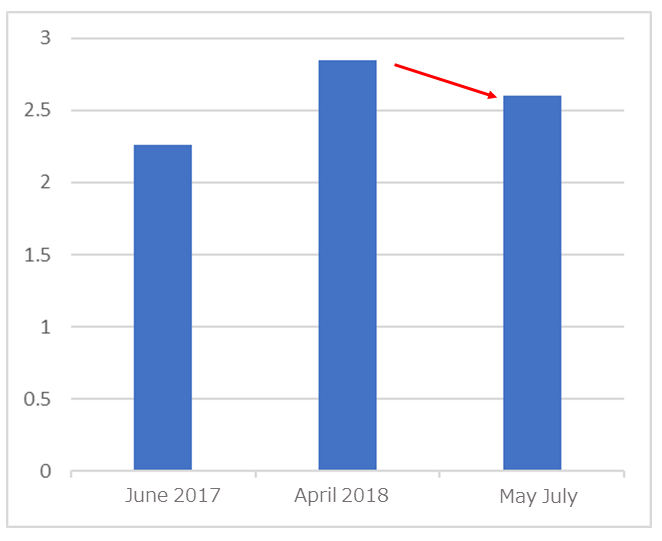
Case Study 2: Changes in Serum Creatinine Levels
A 77-year-old male with Alzheimer’s disease:
June 2017: Serum creatinine 2.26 mg/dL
(At this level, renal impairment was considered advanced, and improvement is generally limited.)
- April 2018: Serum creatinine 2.85 mg/dL
→ Runbell® was initiated - July 2019: Serum creatinine 2.60 mg/dL
Physician’s comment:
“At the 2017 level, renal function was already significantly impaired, and in many cases, further deterioration is expected despite treatment. In this case, progression of renal dysfunction appears to have been limited.”
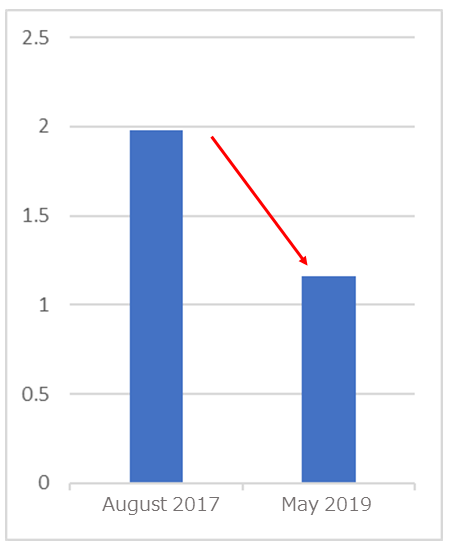
Case Study 3: Changes in Serum Creatinine Levels
An 87-year-old female with cerebrovascular dementia:
- August 2017: Serum creatinine 1.98 mg/dL
- → Runbell® was initiated
- May 2019: Serum creatinine 1.16 mg/dL
Over the observation period, a reduction in serum creatinine levels was recorded.
Physician’s comment:
“Although a gradual decrease in creatinine levels was observed over approximately two years, various factors may have influenced this change, and it cannot be attributed solely to Runbell®. Such a degree of improvement is not commonly observed in routine clinical practice.”
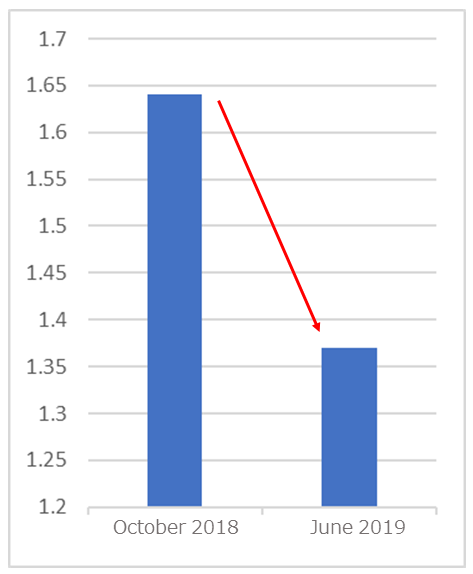
Case Study 4: Changes in Serum Creatinine Levels
An 88-year-old female with diabetes mellitus:
October 2018: Serum creatinine 1.64 mg/dL
- June 2019: Serum creatinine 1.37 mg/dL
During the observation period, a decrease in serum creatinine levels was recorded. Changes in glycemic control were also noted; however, detailed parameters were not available.
Physician’s comment:
Diabetes has improved, and my kidney function has also improved.
Doctor’s comment: Since diabetes is a vascular disease, Runbell is expected to be effective.
A Case of Miraculous Recovery After Collapsing from Septic Shock and Remaining Unconscious for Three Days
Male in his 30s
Early November 2023: Collapsed due to septic shock. Remained unconscious for three days. At this time, his creatinine level exceeded 11.
In addition to kidney failure, he exhibited abnormal liver and pancreatic values, had fluid in his heart, and suffered a concurrent cerebral hemorrhage.
From November through December, he underwent various treatments and hemodialysis.
His dying kidney cells revived, and his creatinine level miraculously dropped to 2.0.
After being discharged from the hospital, he began taking Granlberus—“3 tablets in the morning and 3 tablets at night”—upon the recommendation of an acquaintance.
After one month, my creatinine level dropped to 0.9, within the normal range.
My systolic blood pressure also stabilized at around 130, down from over 150.
My eGFR, which had been around 30, returned to 70.
My attending physician was astonished by this progress.